

Physics of Living Systems
Presentation:
In the Physics of Living Systems team, we study the physical mechanisms underlying the fundamental processes of living organisms. Our activities are mainly experimental, but also include modeling. Our research focuses on different types of animal and plant organisms, whose behavior we characterize in physiological and pathological contexts (cancer, myopathies, Alzheimer’s disease), with implications for environmental health. The scale of our studies ranges from the sub-cellular to cell aggregates and tissues.

Actin network in plant protoplast in rectangular microwell (P. Durand)

Vesicules and silica nanoparticles (JF Berret)

MDCK epithelium (S. Hénon)

Stretched magnetic multicellular aggregate (M. Reffay)
Read more
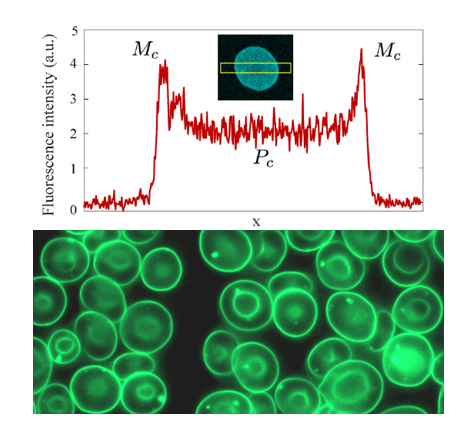
M2 Internship 2027: How deformable is a red blood cell? Molecular rotors to probe cell mechanics in health and disease
Description To flow through the smallest capillaries, red blood cells must be highly deformable. In pathologies such as sickle cell anemia and spherocytosis, this ability is altered. Cell deformability is therefore a relevant parameter to diagnose and monitor these...
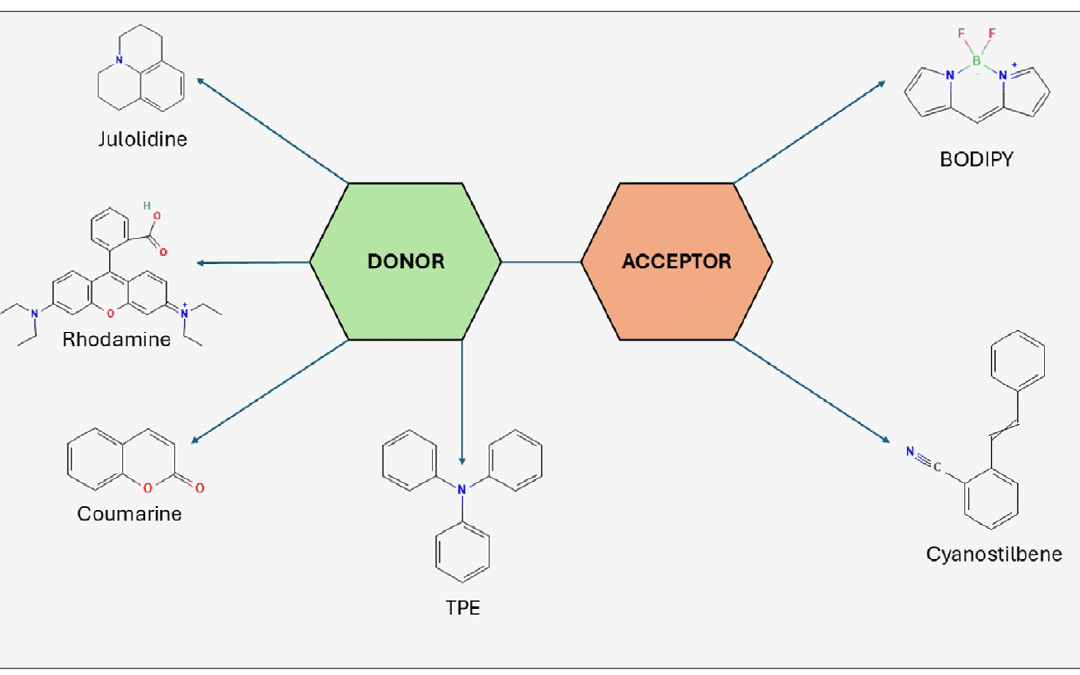
Molecular Rotors: From Newtonian Fluids to Functional Materials as Viscosity and Temperature Sensing Tools
Molecular rotors (MRs) are fluorescent molecules whose photophysical properties depend on their environment, making them valuable viscosity nanosensors. Interpreting their response in complex systems is challenging, however, since viscosity alone cannot describe such...

Curious movie #3
Sand dunes move with the “wind”. Lire la suite Curious movie #3

Curious movie #2
Marangoni flows induced by soluble surfactants Lire la suite Curious movie #2

Curious movie #1
A cell aggregate is aspired through a constriction. Lire la suite Curious movie #1
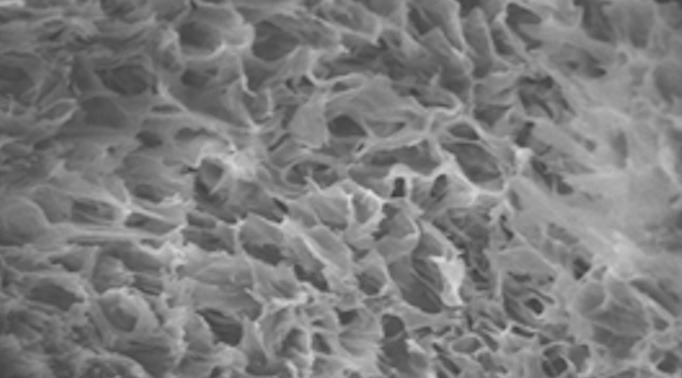
Internship/PhD on Hydrogels for adsorption of toxic metals
Proposal for master internship/PhD Hydrogels and composites with optimal efficiency and minimal environmental impact for adsorption of toxic metals The increasing demand for water due to technology and industrial activity has led to the use of hydrogels to treat...